by hannahadmin | Jan 28, 2025 | blog, Seimless
Machine learning (ML) is revolutionizing data security, offering new methods to detect, prevent, and respond to cyber threats. Its capacity to learn from vast datasets and adapt in real-time gives it a strategic advantage in safeguarding information systems. However, as ML grows more integrated into security frameworks, it also introduces new vulnerabilities that can be exploited. This article explores five significant impacts of machine learning models on data security, supported by recent developments in the field.
1. Advanced Threat Detection
Machine learning models excel at identifying anomalies and potential threats in real-time. Traditional security systems rely on predefined rules, which often miss new or sophisticated attacks. However, ML-based systems can recognize subtle, suspicious behaviors that deviate from established patterns and flag them as potential threats.
Proof Source: A report by MIT’s Computer Science and Artificial Intelligence Lab found that deep learning models can detect cyber attacks with an accuracy of 85% to 99% by learning from traffic patterns. These models identified attacks such as distributed denial-of-service (DDoS) and malware more accurately than traditional methods .
ML systems adapt over time, enabling them to stay ahead of novel attack techniques. As hackers create increasingly sophisticated malware, the ability to dynamically learn from new data is a critical advantage for security teams.
2. Automated Incident Response
ML models not only detect threats but also automate response actions, which is crucial in minimizing damage during an attack. Once a threat is identified, machine learning systems can immediately initiate actions such as isolating affected systems, quarantining files, or alerting security personnel.
Proof Source: In 2023, Microsoft introduced an AI-driven system integrated with its security solutions to enable automatic containment of ransomware threats in less than 20 minutes. This significantly reduces the time needed for a human response and can prevent further damage .
The ability to automatically contain breaches limits their spread, allowing faster recovery. This is especially vital in cloud environments and large-scale enterprises where the volume of data traffic makes human intervention slower.
3. Improved Identity and Access Management
Managing identities and access to sensitive data is a critical aspect of cybersecurity. Machine learning enhances traditional identity and access management (IAM) systems by learning user behaviors and creating baseline profiles for users and devices. Deviations from these profiles can trigger alerts for suspicious activity, reducing unauthorized access risks.
Proof Source: A study published in the Journal of Cybersecurity showed that ML-based IAM systems significantly reduced false positives in access control systems while increasing the detection of credential-based attacks by 32%. This demonstrates the efficacy of ML in improving both security and user experience in authentication processes .
This approach ensures tighter security in systems, particularly those with numerous users, such as enterprise networks or financial institutions. ML can help flag anomalies in access requests based on behavioral patterns rather than simple password authentication.
4. Vulnerability Management and Patch Prioritization
One of the biggest challenges in data security is identifying and patching vulnerabilities before they can be exploited. Machine learning models are increasingly used to predict which vulnerabilities pose the greatest risks, allowing security teams to prioritize patches accordingly.
Proof Source: In a study by Tenable, ML models predicted which vulnerabilities were likely to be exploited in the wild with 85% accuracy, helping organizations focus on the most critical issues. This method has led to faster and more efficient vulnerability management, reducing the attack surface across many industries .
Machine learning systems can process large volumes of data from security reports, threat intelligence feeds, and software configurations to determine the likelihood of an exploit. This enables more proactive security measures by focusing on the most critical threats.
5. Adversarial Machine Learning and Its Risks
While machine learning models provide significant benefits, they also introduce new vulnerabilities. Adversarial machine learning, where attackers manipulate ML models by subtly altering input data, is emerging as a new threat. These attacks can cause models to make incorrect decisions, such as misclassifying malware as benign or failing to detect phishing attempts.
Proof Source: Research by the University of California, Berkeley highlighted several successful adversarial attacks on leading image recognition systems used in security tools. These attacks demonstrated that even small manipulations of data could deceive models into making erroneous predictions .
The need for securing ML models from adversarial attacks is becoming critical as the technology proliferates across various security applications. Organizations must implement strategies such as adversarial training or robust ML testing to prevent models from being exploited.
Conclusion
Machine learning models have the potential to vastly improve data security by enabling advanced threat detection, automating incident response, enhancing identity and access management, and optimizing vulnerability management. However, as these models become more widespread, they also introduce new attack vectors, such as adversarial machine learning. The ability to balance the benefits and risks of ML will be key to securing the digital infrastructure of the future.
Machine learning is set to become a cornerstone of cybersecurity, but organizations must remain vigilant about the evolving landscape of both opportunities and threats it presents. The integration of these technologies into everyday security practices will continue to reshape the defense mechanisms that protect sensitive data globally.

by hannahadmin | Jan 23, 2025 | blog, Seimless
Enhancing Connectivity and Efficiency in 2025
As we progress into 2025, the importance of robust cabling and infrastructure systems cannot be overstated. Over the past five years, significant advancements have taken place in cabling technologies, installation methods, and infrastructure management practices. This evolution is vital for businesses looking to enhance connectivity, support digital transformation, and ensure long-term operational efficiency. In this article, we’ll explore the changes that have occurred in cabling and infrastructure, the benefits of these advancements, and how businesses can leverage them to maximize performance in the coming years.
Changes in Cabling and Infrastructure Over the Past Five Years
Rise of Structured Cabling Systems
In recent years, structured cabling has become a standard practice for managing telecommunications infrastructure. This system uses a standardized approach for cabling that allows for better scalability, flexibility, and management.
Modular Design: Structured cabling offers modular components that can be easily added or replaced as a business grows. This design accommodates future expansions without the need for a complete overhaul of the existing infrastructure.
Improved Performance: With advances in cabling types, such as Category 6A and Category 7 cables, structured cabling can support higher data rates and greater bandwidth, which are essential for today’s data-intensive applications.
Increased Adoption of Fiber Optic Cabling
Over the past half-decade, fiber optic solutions have gained significant traction. Businesses are increasingly replacing traditional copper cabling with fiber optics due to their superior performance characteristics.
Higher Speeds and Bandwidth: Fiber optic cables can transmit data at much higher speeds and over longer distances than copper cables, making them ideal for high-demand environments like data centers and enterprise networks.
Enhanced Reliability: Fiber optics are less susceptible to electromagnetic interference, ensuring a stable connection, which is critical for mission-critical applications.
Integration of Internet of Things (IoT)
The proliferation of IoT devices has necessitated a reevaluation of cabling and infrastructure to accommodate the increased connectivity needs.
Greater Connectivity: As businesses deploy more IoT devices, the underlying cabling infrastructure must support a larger number of connections. Structured cabling systems are particularly effective in managing these connections.
Smart Building Technologies: Many new buildings are being designed with smart technologies that require sophisticated cabling infrastructure, including sensors, automation systems, and energy management solutions.
Enhanced Focus on Sustainability
Sustainable practices have become a priority in cabling and infrastructure development. Over the past five years, many companies have pivoted to greener solutions in their cabling systems.
Eco-Friendly Materials: There is a growing trend toward using recycled materials and environmentally friendly practices in the manufacturing and installation of cabling systems.
Energy Efficiency: More efficient cabling systems consume less energy, contributing to lower operational costs and a reduced carbon footprint.
Potential Positive Impact for Businesses in 2025
As organizations reassess their cabling and infrastructure in 2025, there are several potential benefits to be gained from adopting modern solutions:
Improved Performance and Scalability
Upgrading to structured cabling and fiber optic solutions can significantly enhance network performance, providing employees with faster and more reliable connectivity. As companies grow, these systems can scale effortlessly, minimizing downtime and disruption.
Increased Productivity
With enhanced connectivity, businesses can improve collaboration among teams and streamline operations. By enabling high-speed data transfer and reliable communications, employees can work more efficiently and effectively, leading to increased productivity.
Future-Proofing Operations
Investing in modern cabling and infrastructure solutions positions organizations to adapt to future technological advancements. As new technologies emerge, a flexible and scalable infrastructure ensures businesses can implement new solutions without incurring substantial costs.
Enhanced Security
Modern cabling designs often incorporate security features that help protect the integrity of the network. For instance, fiber optics offer a level of security against eavesdropping that is unattainable with copper cables, making them a smart choice for sensitive data environments.
Compliance and Risk Mitigation
Upgrading infrastructure can assist organizations in meeting regulatory compliance standards, particularly in industries like finance, healthcare, and government. Enhanced cabling systems help ensure that data protection protocols are effectively implemented, reducing the risk of data breaches.
The Best Time for Businesses to Invest in Cabling and Infrastructure
Navigating Digital Transformation
The shift toward digital transformation is prompting organizations to evaluate their existing infrastructure critically. As more businesses adopt cloud computing, mobile technologies, and remote work infrastructures, investing in modern cabling systems is essential for supporting these initiatives.
Cost-Effectiveness
While it may require upfront investment, upgrading cabling and infrastructure often results in significant long-term savings through reduced maintenance costs, enhanced energy efficiency, and minimized downtime.
Competitive Advantage
In today’s rapidly changing business environment, organizations that invest in modern cabling and infrastructure solutions can gain a competitive edge. Businesses with reliable and high-performance networks are better equipped to respond to market changes, adapt to customer needs, and innovate continuously.
Growing Demand for Connectivity and Data
As the demand for connectivity and data-driven solutions increases, organizations must ensure their infrastructure can handle the added load. With more employees working remotely and businesses relying on cloud-based applications, investing in robust cabling and infrastructure becomes critical to maintaining performance and meeting customer expectations.
Support for Advanced Technologies
Emerging technologies such as 5G, edge computing, and enhanced IoT capabilities are reshaping how businesses operate. Upgrading cabling and infrastructure now ensures that organizations can seamlessly integrate these new technologies into their operations, paving the way for future innovations.
Conclusion
The cabling and infrastructure landscape has changed remarkably in the past five years, driven by advancements in technology and a growing emphasis on flexibility, sustainability, and performance. For businesses looking to enhance their operations in 2025, now is the ideal time to invest in modern cabling solutions like structured cabling and fiber optics, while also embracing the emerging demands of connected devices and smart technologies.
By upgrading to a more efficient and resilient cabling infrastructure, organizations can improve performance, increase productivity, future-proof their operations, enhance security, and mitigate risks. As the business environment continues to evolve, having a solid foundation of cabling and infrastructure will empower organizations to adapt and thrive in the digital age.
Check Our Services | Contact Us

by hannahadmin | Jan 23, 2025 | blog, Seimless
Modernizing Document Management
As the business landscape continues to evolve rapidly, organizations are increasingly seeking ways to enhance their operational efficiency. Over the past five years, significant advancements in document management, including fax to mail services, electronic signatures, and workflow automation, have emerged as key players in this transformation. For businesses still relying on outdated legacy systems, 2025 presents a pivotal opportunity to modernize these processes. This article will explore the changes that have occurred over the past five years, the positive impact of adopting modern solutions, and why now is the optimal time to embrace these technologies.
Changes Over the Past Five Years
Evolution of Document Management Systems (DMS)
In recent years, document management systems have transitioned from basic storage solutions to comprehensive platforms that integrate advanced features and functionalities.
Cloud-Based Solutions: Businesses are now utilizing cloud-based DMS to enable easier accessibility and enhanced collaboration. Cloud technology eliminates the limitations of on-premises systems, allowing employees to access documents from any location at any time.
Smart Automation: Modern DMS often incorporate artificial intelligence (AI) and machine learning (ML) to automate repetitive tasks such as document classification and tagging, significantly reducing manual errors and increasing efficiency.
Integration Capabilities: The ability to integrate with other business software, including Customer Relationship Management (CRM) and Enterprise Resource Planning (ERP) systems, has become a crucial feature. This integration enables a seamless flow of information across various departments.
Adoption of Fax to Mail Services
The decline of traditional fax machines has given rise to digital fax to mail services, providing organizations with a more efficient way to manage fax communications.
Streamlined Processes: Fax to mail allows incoming faxes to be delivered directly to email inboxes as digital documents, eliminating the need for physical fax machines and printers.
Cost Savings: By reducing paper usage and the costs associated with maintaining fax equipment, businesses are realizing significant savings.
Enhanced Security: With digital transmissions, sensitive information is more secure against unauthorized access compared to traditional faxing, which can be intercepted.
Growth of Electronic Signatures
Electronic signatures have seen exponential growth over the past five years, becoming an essential tool for businesses looking to streamline their signing processes.
Legality and Trust: E-signatures are supported by various regulations, including the ESIGN Act in the United States, making them legally binding. This increases trust among users.
Speed and Efficiency: Electronic signatures enable quicker turnaround times for contracts and approvals, which is especially vital in time-sensitive industries.
Integration with DMS: Modern e-signature solutions are seamlessly integrated into document management systems, allowing for automated workflows that further enhance operational efficiency.
Workflow Automation
Workflow automation has become pivotal in reshaping how organizations manage and process documents.
Elimination of Bottlenecks: Automation tools help identify and eliminate workflow bottlenecks, ensuring smooth document handling and faster processing times.
Real-Time Tracking: Businesses can monitor document statuses and workflows in real time, improving accountability and facilitating timely decision-making.
Resource Optimization: Workflow automation allows organizations to allocate human resources more effectively, focusing on strategic initiatives rather than repetitive tasks.
The Potential Positive Impact for Businesses in 2025
As businesses evaluate the changes in document management over the past five years, understanding the potential positive impact of transitioning from legacy systems to modern solutions becomes paramount:
Increased Productivity: By adopting modern document management tools and automation platforms, organizations can enhance overall productivity, allowing employees to focus on core tasks rather than administrative burdens.
Improved Collaboration: Cloud-based systems and integrated tools promote collaboration among teams, breaking down silos and improving communication. This leads to more innovative solutions and better customer service.
Enhanced Security and Compliance: Modern solutions provide advanced security features, ensuring compliance with regulations such as GDPR and HIPAA. This mitigates the risk of data breaches and protects sensitive information.
Cost Efficiency: Transitioning from legacy systems to modern cloud-based solutions reduces operational costs through lower maintenance expenses, efficient resource allocation, and reduced paper usage.
Future-Proofing Operations: Embracing the latest technology positions businesses for continued growth and resilience, enabling them to adapt more quickly to future market trends and customer needs.
Why 2025 is the Best Year for Transitioning
Market Trends Favoring Digital Transformation
According to industry analysts, the global document management system market is projected to grow significantly, driven by the increasing need for efficient data management and workflow automation. Organizations that invest in these technologies now will be better positioned to leverage the associated benefits, including improved operations and customer satisfaction.
Remote Work is Here to Stay
The pandemic has permanently altered workplace dynamics, with remote work now an integral part of many organizations. Cloud-based document management systems, electronic signatures, and workflow automation enable employees to work effectively from anywhere, facilitating productivity and collaboration without the constraints of physical office space.
Advancements in Technology
Technological innovations in AI, machine learning, and integration capabilities have made document management solutions smarter and more user-friendly. These advancements enable organizations to implement tools that are not only powerful but also easy to use, ensuring a smooth transition from outdated legacy systems. Businesses that embrace these technologies in 2025 will benefit from enhanced efficiency and improved user experience.
Focus on Sustainability
More organizations are prioritizing sustainability practices, and digital document management contributes significantly to reducing paper waste and energy consumption. By transitioning to electronic forms and digital signatures, businesses can showcase their commitment to environmentally friendly practices, which is increasingly important to customers, stakeholders, and employees alike.
Competitive Advantage
With more businesses recognizing the urgency of digital transformation, early adopters of modern document management solutions will gain a competitive advantage. By implementing efficient processes sooner rather than later, organizations can enhance customer experiences, respond quickly to market demands, and set themselves apart from competitors still reliant on outdated systems.
Conclusion
As we progress through 2025, the transformation in document management—and the essential components of fax to mail, electronic signatures, and workflow automation—presents organizations with a critical opportunity to modernize their operations. The significant changes that have occurred over the past five years have paved the way for businesses to improve efficiency, enhance collaboration, and secure their sensitive information in ways that were once unthinkable.
Investing in these modern solutions not only addresses current operational challenges but also positions organizations for enduring success in an ever-changing business landscape. For those still relying on legacy systems, now is the time to embrace this paradigm shift and reap the benefits of a streamlined and forward-looking approach to document management.
Check Our Services | Contact Us
by hannahadmin | Jan 23, 2025 | blog, Seimless
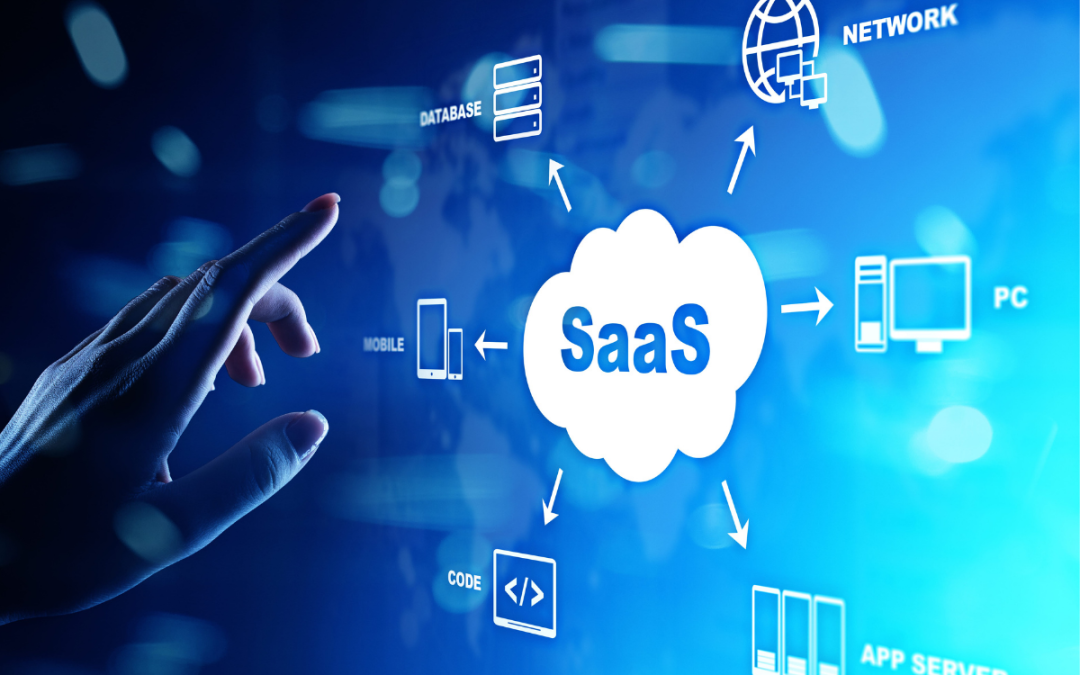
Understanding SaaS, DaaS, PaaS, and IaaS
As we step into 2025, the landscape of cloud computing continues to evolve, providing organizations with an array of flexible solutions that cater to their specific needs. Among these, Software as a Service (SaaS), Desktop as a Service (DaaS), Platform as a Service (PaaS), and Infrastructure as a Service (IaaS) are shaping how businesses operate, innovate, and thrive. In this article, we will explore each of these cloud service models, their key features, benefits, and trends that are defining their growth in 2025.
Understanding SaaS, DaaS, PaaS, and IaaS
Software as a Service (SaaS)
SaaS is a software distribution model where applications are hosted in the cloud and accessed via the internet. Users subscribe to the service rather than purchasing a license, allowing for easier updates and maintenance.
Key Features:
Automatic updates and patches
Accessible from any device with an internet connection
Subscription-based pricing
Desktop as a Service (DaaS)
DaaS is a cloud computing model that delivers virtual desktops to users, enabling them to access their desktop environments remotely. This service allows organizations to manage and maintain a centralized desktop infrastructure without the need for extensive hardware.
Key Features:
Remote access to desktops from any device
Simplified management and maintenance
Enhanced security with centralized data storage
Platform as a Service (PaaS)
PaaS provides a cloud platform that allows developers to build, test, and deploy applications without worrying about the underlying infrastructure. It offers a variety of tools and services that streamline the development process.
Key Features:
Integrated development environments (IDEs) and tools
Automatic scaling and load balancing
Built-in security features
Infrastructure as a Service (IaaS)
IaaS delivers virtualized computing resources over the internet, allowing organizations to rent servers, storage, and networking capabilities. This model provides the most control and flexibility over IT resources.
Key Features:
Pay-as-you-go pricing model
Scalability and flexibility to expand resources as needed
Complete control over the operating system and applications
Benefits of Cloud Service Models in 2025
Cost Efficiency
Cloud services significantly reduce the costs associated with maintaining physical hardware and software. Organizations can allocate budgets based on consumption rather than high upfront investments.
Scalability
All four models—SaaS, DaaS, PaaS, and IaaS—offer the ability to scale resources up or down according to demand, allowing businesses to adapt quickly to changing needs.
Enhanced Collaboration
Cloud-based solutions facilitate collaboration among team members, regardless of their location. Employees can work together on projects in real-time, leading to increased productivity.
Improved Security
In 2025, cloud providers are expected to invest more in advanced security features, including encryption, multi-factor authentication, and continuous monitoring, thereby safeguarding sensitive data.
Focus on Core Business
By offloading infrastructure management to cloud providers, organizations can focus on their core business activities, driving innovation and improving growth prospects.
Trends Shaping the Future of Cloud Services
Emergence of Hybrid and Multi-Cloud Strategies
As businesses increasingly adopt a mix of cloud solutions, hybrid and multi-cloud strategies will dominate in 2025, providing greater flexibility and redundancy. Organizations will choose the optimal combination of SaaS, DaaS, PaaS, and IaaS to meet specific requirements.
Integration of AI and Automation
The integration of artificial intelligence and automation will enhance cloud services, improving efficiencies in resource management and enabling intelligent decision-making across SaaS, DaaS, PaaS, and IaaS platforms.
Focus on Sustainability
Sustainability initiatives will increasingly drive cloud service strategies, with providers focusing on using renewable energy sources and greener practices in data centers.
Enhanced User Experience
User experience will remain a top priority, with providers working to refine interfaces and functionalities, ensuring that applications are intuitive and accessible for all users.
Conclusion
As we move further into 2025, SaaS, DaaS, PaaS, and IaaS will continue to reshape the cloud computing landscape, providing organizations with the flexibility, scalability, and efficiency they need to succeed in a digital-first world. By understanding these cloud service models, businesses can make informed decisions that align with their goals and drive future success.
Check Our Services | Contact Us
by hannahadmin | Jan 23, 2025 | blog, Seimless
Unlocking the Power of Business Central Services
As we step into 2025, cloud-based solutions continue to revolutionize business operations, providing organizations with the tools they need to thrive in an increasingly competitive landscape. Among these solutions, Microsoft Software as a Service (SaaS) and Desktop as a Service (DaaS) offerings, along with Microsoft Dynamics 365 Business Central, are leading the charge in transforming how businesses manage their resources and streamline processes. In this article, we explore the importance of Microsoft SaaS and DaaS, highlighting their integration with Business Central services and how they can empower organizations in 2025.
Understanding Microsoft SaaS and DaaS
SaaS (Software as a Service) is a cloud computing model that delivers software applications over the internet, allowing users to access and use applications without needing to install or maintain them locally. Microsoft 365, which includes tools like Word, Excel, and Outlook, is a quintessential example of SaaS.
DaaS (Desktop as a Service), on the other hand, provides virtual desktops hosted in the cloud. This service allows users to access their desktop environments from anywhere, facilitating remote work and ensuring consistent access to applications and data.
The Role of Microsoft Dynamics 365 Business Central
Microsoft Dynamics 365 Business Central is an all-in-one business management solution designed for small to medium-sized enterprises. It combines various business applications, including finance, sales, service, and operations, into a single platform, providing organizations with a 360-degree view of their operations.
Key Features of Business Central:
Integrated Financial Management: Streamline finance operations with robust accounting and budgeting tools.
Sales and Customer Service: Enhance customer engagement through integrated sales tools and customer service functionalities.
Inventory and Supply Chain Management: Optimize inventory levels and supply chain operations for greater efficiency.
Data Insights: Leverage built-in analytics and reporting features to make informed decisions based on real-time data.
Benefits of Microsoft SaaS, DaaS, and Business Central Services in 2025
Scalability and Flexibility
As businesses grow, their technology needs evolve. Microsoft SaaS solutions provide the flexibility to scale applications seamlessly, ensuring organizations can adapt to changing demands without significant infrastructure investments. With DaaS, organizations can easily provision new virtual desktops and applications as needed.
Enhanced Collaboration
SaaS products like Microsoft Teams, integrated with Business Central, enable teams to collaborate effectively, whether they are working in-office or remotely. Real-time communication, file sharing, and joint project management enhance productivity and employee satisfaction.
Cost-Effective Solutions
By adopting SaaS and DaaS, businesses can reduce capital expenditures associated with hardware and maintenance. Subscriptions to these services often result in lower upfront costs and predictable monthly expenses, making budgeting easier.
Improved Security and Compliance
Microsoft invests heavily in security, providing encryption, multi-factor authentication, and compliance features in its SaaS and DaaS offerings. Organizations can rely on these services to protect sensitive data and meet regulatory requirements efficiently.
Accessibility and Mobility
With DaaS, employees can access their virtual desktops and applications from anywhere with an internet connection. This level of mobility supports remote work and enhances employee productivity, as they can work from any device, whether at home, in the office, or on the go.
Trends Shaping Microsoft SaaS, DaaS, and Business Central in 2025
Integration of AI and Machine Learning
In 2025, Microsoft is expected to enhance its SaaS and DaaS offerings with artificial intelligence and machine learning capabilities. Businesses will benefit from predictive analytics, automating routine tasks, and gaining insights into customer behavior, enabling them to make more informed decisions.
Increased Focus on User Experience
User experience (UX) will continue to be a priority, with Microsoft refining its interfaces and features to make them more intuitive and user-friendly. Simplified workflows and personalized dashboards in Business Central will enhance user satisfaction and adoption.
Sustainability Initiatives
As businesses prioritize sustainability, Microsoft is likely to strengthen its commitment to eco-friendly practices in its cloud services. This includes data centers powered by renewable energy and features that help organizations track their environmental impact.
Conclusion
As we navigate 2025, Microsoft SaaS, DaaS, and Business Central services are at the forefront of digital transformation for businesses. By leveraging these powerful solutions, organizations can unlock greater efficiency, collaboration, and insights, ensuring they remain competitive in an ever-changing landscape. Embracing Microsoft’s cloud-based technologies will empower your organization to thrive in the future.
Check Our Services | Contact Us

by hannahadmin | Jan 23, 2025 | blog, Seimless
The Rise of Intelligent, Secure, and Adaptive Enterprise Connectivity
Digital transformation continues to redefine how organizations operate, communicate, and secure their infrastructures. In 2026, Wide Area Networking (WAN) is no longer limited to connecting branch offices and data centers. Modern WAN architecture now serves as the foundation for cloud computing, hybrid workforces, artificial intelligence workloads, IoT ecosystems, and real-time global collaboration.
As enterprises face increasing cybersecurity threats, rising bandwidth demands, and complex multi-cloud environments, organizations are rapidly modernizing their networking strategies through intelligent SD-WAN, Secure Access Service Edge (SASE), Zero Trust security frameworks, and AI-powered network automation.
This evolution is transforming WAN from a traditional connectivity model into a fully integrated, security-driven digital infrastructure platform.
What Is Modern Wide Area Networking?
Wide Area Networking (WAN) enables organizations to securely connect users, systems, applications, and locations across large geographic regions. Unlike legacy WAN environments that relied heavily on static MPLS circuits, modern WAN ecosystems are dynamic, cloud-aware, and application-centric.
Today’s WAN infrastructures support:
- Multi-cloud environments
- Remote and hybrid workforces
- Edge computing
- Real-time collaboration platforms
- AI-powered business applications
- Secure global communications
- High-performance SaaS connectivity
Modern enterprises require WAN architectures that prioritize performance, scalability, resilience, and cybersecurity simultaneously.
Why WAN Modernization Matters in 2026
Businesses are generating more data than ever before while relying on distributed infrastructures across public clouds, private clouds, branch offices, and mobile devices.
Traditional network models struggle to support:
- Low-latency application delivery
- Secure remote access
- AI-driven automation
- Cloud-native application traffic
- Real-time analytics
- Expanding cybersecurity requirements
WAN modernization helps organizations improve operational agility while reducing infrastructure complexity and risk exposure.
The Biggest WAN Trends Driving Enterprise Transformation
1. AI-Powered Network Intelligence
Artificial Intelligence is becoming deeply integrated into enterprise networking operations. AI-enabled WAN systems can automatically analyze traffic patterns, detect anomalies, optimize routing paths, and predict outages before they impact operations.
Key advantages include:
- Predictive issue detection
- Automated traffic optimization
- Faster incident response
- Reduced network downtime
- Improved application performance
- Lower operational costs
AI-driven networking is allowing IT teams to transition from reactive management to proactive infrastructure optimization.
2. SD-WAN Continues to Replace Legacy Architectures
Software-Defined Wide Area Networking (SD-WAN) remains one of the fastest-growing enterprise networking technologies in 2026.
Unlike traditional WAN models, SD-WAN provides centralized network control with intelligent application-aware routing. Organizations are adopting SD-WAN to improve flexibility, reduce carrier dependency, and enhance cloud connectivity.
Benefits of SD-WAN include:
- Centralized management
- Enhanced application visibility
- Lower WAN expenses
- Better remote workforce support
- Dynamic traffic prioritization
- Improved scalability
SD-WAN also plays a critical role in enabling secure digital transformation initiatives.
3. Secure Access Service Edge (SASE) Is Becoming Essential
As organizations increasingly adopt hybrid work models and cloud services, networking and security are converging into unified platforms.
Secure Access Service Edge (SASE) combines:
- SD-WAN
- Zero Trust Network Access (ZTNA)
- Firewall-as-a-Service (FWaaS)
- Secure Web Gateway (SWG)
- Cloud Access Security Broker (CASB)
- Threat intelligence systems
SASE simplifies infrastructure management while delivering stronger security policies across distributed environments.
Cybersecurity Challenges in WAN Environments
The expansion of digital ecosystems has dramatically increased the enterprise attack surface.
Modern WAN infrastructures face growing threats such as:
Ransomware Attacks
Cybercriminals continue targeting enterprise networks with increasingly sophisticated ransomware campaigns capable of disrupting critical business operations.
Cloud Security Gaps
Improper cloud configurations and unmanaged SaaS applications create vulnerabilities across hybrid environments.
Third-Party Supply Chain Risks
Service providers and external vendors often introduce additional attack vectors into enterprise infrastructures.
Identity-Based Attacks
Credential theft and unauthorized access attempts remain major concerns in remote work environments.
Zero Trust Networking: The New Security Standard
Zero Trust architecture has become a foundational component of modern WAN security strategies.
Rather than assuming trust within the network perimeter, Zero Trust continuously verifies every user, device, and application request.
Core Zero Trust principles include:
- Least-privilege access
- Continuous authentication
- Micro-segmentation
- Device validation
- Real-time monitoring
- Identity-centric security controls
This model significantly reduces the risk of lateral movement during cyberattacks.
Quantum-Resistant Networking Is Gaining Momentum
One of the most important long-term concerns in enterprise networking is the emergence of quantum computing.
Future quantum systems could potentially compromise conventional encryption algorithms currently protecting enterprise communications.
As a result, organizations are beginning to evaluate:
- Post-Quantum Cryptography (PQC)
- Quantum-resistant VPN technologies
- Advanced encrypted transport protocols
- Hybrid cryptographic frameworks
- Secure next-generation communication models
Forward-looking enterprises are preparing now to ensure long-term data protection and regulatory compliance.
WAN Optimization for Cloud and Edge Computing
Modern applications demand ultra-fast and highly reliable network performance.
Organizations are optimizing WAN infrastructures to support:
- Cloud-native platforms
- AI and machine learning applications
- Video conferencing systems
- Unified communications
- Real-time analytics
- Edge computing deployments
- Internet of Things (IoT) ecosystems
Application-aware traffic management and intelligent routing are becoming mission-critical capabilities.
Best Practices for Enterprise WAN Strategy in 2026
Organizations planning WAN modernization initiatives should focus on the following strategies:
Adopt Hybrid Connectivity Models
Use a combination of:
- Fiber connectivity
- Broadband internet
- 5G networking
- MPLS circuits
- Satellite communications
to improve resiliency and performance.
Integrate Security Into the Network Core
Security should be embedded directly into WAN architecture rather than deployed as a separate layer.
Invest in AI-Based Monitoring
Automated monitoring platforms improve visibility, reduce downtime, and accelerate issue resolution.
Prioritize Cloud Optimization
Cloud-native WAN strategies improve application delivery and reduce latency across distributed environments.
Prepare for Future Encryption Standards
Organizations should begin evaluating quantum-safe networking technologies to future-proof sensitive communications.
The Future of WAN
Wide Area Networking in 2026 is evolving into a highly intelligent, automated, and security-centric ecosystem capable of supporting the next generation of digital business operations.
The enterprises that successfully modernize their WAN infrastructure will benefit from:
- Stronger cybersecurity posture
- Improved business continuity
- Enhanced application performance
- Greater operational scalability
- Faster digital transformation
- Reduced infrastructure complexity
As AI, cloud computing, edge technologies, and quantum advancements continue to reshape the technology landscape, WAN will remain one of the most critical pillars of enterprise innovation.
Conclusion
Modern Wide Area Networking is no longer just about connectivity—it is about enabling secure, scalable, and intelligent business operations in a rapidly evolving digital world.
Organizations must adopt advanced networking strategies that integrate AI-driven automation, SD-WAN, SASE, Zero Trust security, and quantum-resistant technologies to remain competitive and protected against emerging cyber threats.
At ibm/SEIMless Communications Technologies, we help organizations modernize enterprise networking infrastructures through advanced cybersecurity solutions, cloud networking, intelligent WAN architecture, and next-generation secure communication technologies.
Call to Action
Ready to transform your enterprise network infrastructure for the future?
Connect with ibm/SEIMless Communications Technologies to explore secure SD-WAN deployment, SASE integration, Zero Trust implementation, cloud networking optimization, and advanced quantum-resistant communication solutions tailored for modern enterprises.