by hannahadmin | Jan 23, 2025 | blog, Seimless
Unlocking the Power of Business Central Services
As we step into 2025, cloud-based solutions continue to revolutionize business operations, providing organizations with the tools they need to thrive in an increasingly competitive landscape. Among these solutions, Microsoft Software as a Service (SaaS) and Desktop as a Service (DaaS) offerings, along with Microsoft Dynamics 365 Business Central, are leading the charge in transforming how businesses manage their resources and streamline processes. In this article, we explore the importance of Microsoft SaaS and DaaS, highlighting their integration with Business Central services and how they can empower organizations in 2025.
Understanding Microsoft SaaS and DaaS
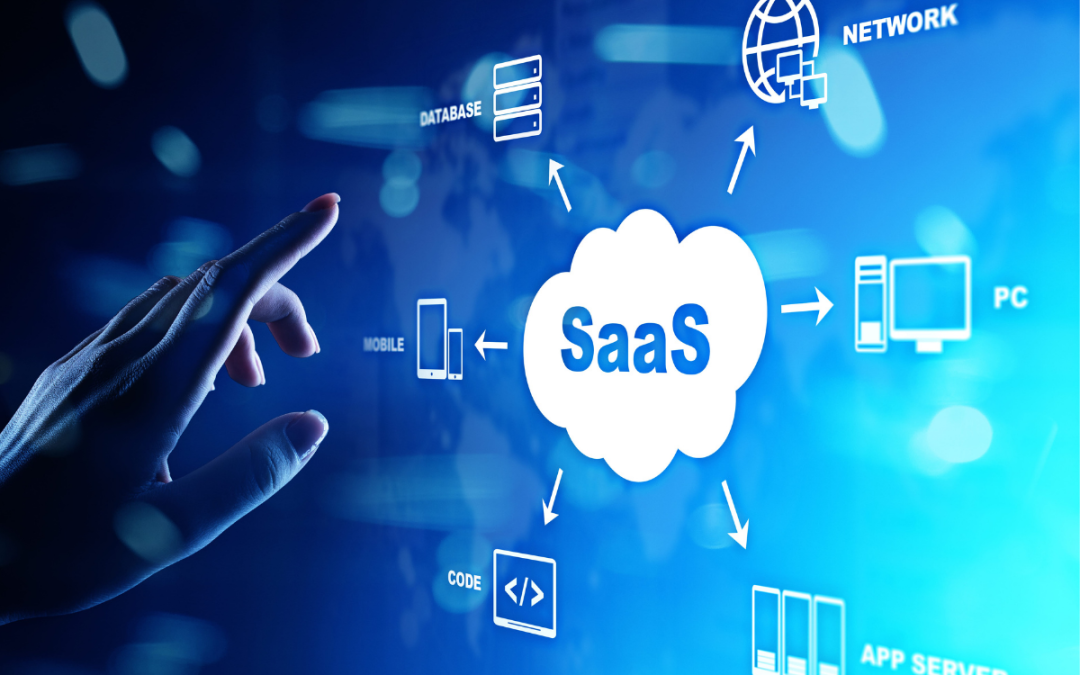
SaaS (Software as a Service) is a cloud computing model that delivers software applications over the internet, allowing users to access and use applications without needing to install or maintain them locally. Microsoft 365, which includes tools like Word, Excel, and Outlook, is a quintessential example of SaaS.
DaaS (Desktop as a Service), on the other hand, provides virtual desktops hosted in the cloud. This service allows users to access their desktop environments from anywhere, facilitating remote work and ensuring consistent access to applications and data.
The Role of Microsoft Dynamics 365 Business Central
Microsoft Dynamics 365 Business Central is an all-in-one business management solution designed for small to medium-sized enterprises. It combines various business applications, including finance, sales, service, and operations, into a single platform, providing organizations with a 360-degree view of their operations.
Key Features of Business Central:
Integrated Financial Management: Streamline finance operations with robust accounting and budgeting tools.
Sales and Customer Service: Enhance customer engagement through integrated sales tools and customer service functionalities.
Inventory and Supply Chain Management: Optimize inventory levels and supply chain operations for greater efficiency.
Data Insights: Leverage built-in analytics and reporting features to make informed decisions based on real-time data.
Benefits of Microsoft SaaS, DaaS, and Business Central Services in 2025
Scalability and Flexibility
As businesses grow, their technology needs evolve. Microsoft SaaS solutions provide the flexibility to scale applications seamlessly, ensuring organizations can adapt to changing demands without significant infrastructure investments. With DaaS, organizations can easily provision new virtual desktops and applications as needed.
Enhanced Collaboration
SaaS products like Microsoft Teams, integrated with Business Central, enable teams to collaborate effectively, whether they are working in-office or remotely. Real-time communication, file sharing, and joint project management enhance productivity and employee satisfaction.
Cost-Effective Solutions
By adopting SaaS and DaaS, businesses can reduce capital expenditures associated with hardware and maintenance. Subscriptions to these services often result in lower upfront costs and predictable monthly expenses, making budgeting easier.
Improved Security and Compliance
Microsoft invests heavily in security, providing encryption, multi-factor authentication, and compliance features in its SaaS and DaaS offerings. Organizations can rely on these services to protect sensitive data and meet regulatory requirements efficiently.
Accessibility and Mobility
With DaaS, employees can access their virtual desktops and applications from anywhere with an internet connection. This level of mobility supports remote work and enhances employee productivity, as they can work from any device, whether at home, in the office, or on the go.
Trends Shaping Microsoft SaaS, DaaS, and Business Central in 2025
Integration of AI and Machine Learning
In 2025, Microsoft is expected to enhance its SaaS and DaaS offerings with artificial intelligence and machine learning capabilities. Businesses will benefit from predictive analytics, automating routine tasks, and gaining insights into customer behavior, enabling them to make more informed decisions.
Increased Focus on User Experience
User experience (UX) will continue to be a priority, with Microsoft refining its interfaces and features to make them more intuitive and user-friendly. Simplified workflows and personalized dashboards in Business Central will enhance user satisfaction and adoption.
Sustainability Initiatives
As businesses prioritize sustainability, Microsoft is likely to strengthen its commitment to eco-friendly practices in its cloud services. This includes data centers powered by renewable energy and features that help organizations track their environmental impact.
Conclusion
As we navigate 2025, Microsoft SaaS, DaaS, and Business Central services are at the forefront of digital transformation for businesses. By leveraging these powerful solutions, organizations can unlock greater efficiency, collaboration, and insights, ensuring they remain competitive in an ever-changing landscape. Embracing Microsoft’s cloud-based technologies will empower your organization to thrive in the future.
Check Our Services | Contact Us

by hannahadmin | Jan 23, 2025 | blog
As we enter 2025, cloud storage has become an essential component of modern business infrastructure. With the explosion of data generated daily, organizations must have efficient, secure, and scalable solutions to store and manage their information. The choice between public and private cloud storage services can significantly impact operational efficiency, security, and compliance. In this article, we will explore the key differences between public and private cloud storage, their advantages, and trends shaping these services in 2025.
Understanding Public and Private Cloud Storage
Public Cloud Storage refers to cloud storage services offered by third-party providers over the internet. These providers maintain and manage the infrastructure, allowing multiple tenants to share resources. Well-known examples include Amazon Web Services (AWS), Microsoft Azure, and Google Cloud Storage.
Private Cloud Storage, on the other hand, is dedicated solely to a single organization. This type of cloud is usually hosted on-premises or within a data center managed by a service provider. Private cloud solutions offer enhanced security and control over data management and access.
Key Differences Between Public and Private Cloud Storage
| Feature |
Public Cloud Storage |
Private Cloud Storage |
| Cost |
Generally lower; pay-as-you-go pricing |
Higher initial costs; ongoing maintenance |
| Scalability |
Highly scalable, can quickly adapt |
Scalable, but may require additional resources |
| Security |
Shared environment; security managed by provider |
Enhanced security; dedicated resources |
| Compliance |
May not meet specific compliance requirements |
Highly customizable to meet compliance needs |
| Control |
Limited control over infrastructure |
Full control over infrastructure and data |
Trends in Cloud Storage Services for 2025
Increased Demand for Hybrid Solutions
In 2025, many organizations are adopting hybrid cloud storage solutions that combine the benefits of both public and private clouds. This model allows businesses to optimize costs while retaining greater control over sensitive data. Hybrid solutions enable organizations to keep critical workloads on private clouds while utilizing public clouds for less sensitive applications and data.
Enhanced Security and Compliance Features
With the rise in data breaches and regulatory requirements, both public and private cloud providers are investing in advanced security and compliance features. In 2025, services will include enhanced encryption, identity and access management, and continuous monitoring to ensure data protection and regulatory compliance.
Growing Importance of Data Sovereignty
As businesses become more global, concerns over data sovereignty—ensuring that data resides in specific jurisdictions—are increasing. In 2025, organizations will prioritize cloud storage solutions that comply with local data protection laws, especially when considering public cloud providers.
Artificial Intelligence and Machine Learning Integration
AI and machine learning technologies are being integrated into cloud storage solutions to provide smarter data management and analytics. By leveraging these advancements, organizations can improve data classification, automate workflows, and enhance predictive analytics capabilities.
Sustainability Initiatives
Environmental concerns are prompting cloud providers to adopt greener practices. In 2025, both public and private cloud storage services will focus on energy efficiency, using renewable energy sources and implementing sustainable data center practices to reduce their carbon footprint.
Choosing the Right Cloud Storage Solution for Your Business
When deciding between public and private cloud storage in 2025, consider the following factors:
Data Security and Compliance: Assess the sensitivity of your data and your industry’s compliance requirements. If you handle highly sensitive information, a private cloud might be the best option.
Cost Considerations: Evaluate your budget and operational needs. Public cloud storage can provide immediate savings, while a private solution may offer long-term benefits for sensitive data.
Scalability Needs: Determine how rapidly your business needs to scale. Public clouds offer instant scalability, while private clouds may require additional resources.
Control and Management: Consider how much control you want over your infrastructure. A private cloud gives you full control, while a public cloud limits your management capabilities.
Performance Requirements: Review your application’s performance needs. Private clouds can be optimized for specific use cases, ensuring better performance for mission-critical applications.
Conclusion
As we navigate through 2025, the choice between public and private cloud storage services will continue to shape how organizations manage their data. Understanding the differences, trends, and requirements of each solution is essential for making informed decisions that align with business goals. Whether you opt for the efficiency of public cloud storage or the security of a private cloud, embracing these technologies can propel your organization toward greater success and sustainability.
Check Our Services | Contact Us

by hannahadmin | Jan 23, 2025 | blog
As we move further into 2025, the landscape of business communication continues to evolve, with Private Branch Exchange (PBX) services playing a pivotal role. Traditional PBX systems are being replaced by more advanced, cloud-based solutions that enhance connectivity, flexibility, and management for organizations. In this article, we will explore the trends shaping PBX services in 2025, the benefits of modern implementations, and what businesses can do to optimize their communication infrastructure.
Understanding PBX Services
PBX (Private Branch Exchange) services are telephone systems that manage call connections within an organization while facilitating communication with external networks. Traditionally, PBX systems were hardware-based and required significant investment and maintenance. However, the advent of cloud technology has led to the emergence of virtual PBX solutions, enabling businesses to leverage advanced features and capabilities without the need for extensive infrastructure.
Key Trends in PBX Services for 2025
Cloud-Based PBX Solutions
In 2025, the shift toward cloud-based PBX systems is more pronounced than ever. These systems provide scalability, allowing businesses to easily adjust their communication capabilities as they grow. Cloud PBX solutions also reduce the burden of maintenance, as service providers handle updates and technical issues, enabling organizations to focus on their core operations.
Integration with Unified Communications (UC)
Modern PBX services are integrating seamlessly with Unified Communications platforms, combining voice, video, messaging, and collaboration tools into a single interface. This integration improves team collaboration and enhances productivity by enabling employees to communicate effortlessly across various channels.
AI-Driven Features
Artificial intelligence (AI) is making its way into PBX services in 2025, enhancing caller experience and streamlining communication processes. AI-driven capabilities such as intelligent call routing, voice recognition, and automated responses are helping organizations manage communications more effectively and improve customer interactions.
Enhanced Security Features
With cybersecurity threats on the rise, securing communication channels has become a top priority. In 2025, PBX services include advanced security features such as end-to-end encryption, secure access controls, and regular security audits to protect sensitive business data and ensure compliance with regulations.
Mobile Accessibility
As remote work becomes a permanent fixture in many organizations, mobile accessibility for PBX services is critical. Solutions that offer mobile applications enable employees to access communication features from their smartphones, ensuring connectivity and productivity regardless of their physical location.
Benefits of Modern PBX Services
Cost Efficiency: Cloud-based PBX solutions reduce infrastructure costs, maintenance expenses, and the need for extensive on-site equipment. Businesses can choose subscription-based models that align with their budget.
Scalability: As companies grow, their communication needs change. Modern PBX services allow for easy scaling, enabling organizations to add or remove lines, extensions, and features as needed.
Improved Collaboration: Integration with Unified Communications enhances collaboration among teams, facilitating seamless communication and information sharing across departments.
Greater Flexibility: Employees can work from anywhere while staying connected to their organization’s communication system, improving work-life balance and enhancing productivity.
Advanced Features: Modern PBX solutions come with an array of features, including call analytics, voicemail-to-email, call forwarding, and video conferencing, empowering organizations to optimize their communication strategies.
How to Choose the Right PBX Service Provider
When selecting a PBX service provider in 2025, consider the following factors:
Evaluate Your Needs: Assess your organization’s communication needs, including the number of users, required features, and scalability options.
Research Providers: Look for reputable providers with experience in delivering cloud-based PBX solutions. Read reviews and request demos to evaluate their offerings.
Check Security Measures: Ensure that the provider implements robust security protocols to protect your communication channels and sensitive data.
Support and Maintenance: Choose a provider that offers excellent customer support and regular updates to ensure your PBX system remains secure and fully functional.
Cost Structure: Compare pricing models and choose a provider that offers transparency in their pricing without hidden fees.
Conclusion
As we advance through 2025, the evolution of PBX services is enabling organizations to modernize their communication strategies and enhance operational efficiency. With cloud-based solutions, AI-driven features, and integrations with Unified Communications, businesses can improve connectivity, collaboration, and security. By embracing modern PBX services, organizations are equipped to navigate the complexities of the digital communication landscape and enhance their overall business performance.
Check Our Services | Contact Us

by hannahadmin | Jan 23, 2025 | blog, Seimless
The Rise of Intelligent, Secure, and Adaptive Enterprise Connectivity
Digital transformation continues to redefine how organizations operate, communicate, and secure their infrastructures. In 2026, Wide Area Networking (WAN) is no longer limited to connecting branch offices and data centers. Modern WAN architecture now serves as the foundation for cloud computing, hybrid workforces, artificial intelligence workloads, IoT ecosystems, and real-time global collaboration.
As enterprises face increasing cybersecurity threats, rising bandwidth demands, and complex multi-cloud environments, organizations are rapidly modernizing their networking strategies through intelligent SD-WAN, Secure Access Service Edge (SASE), Zero Trust security frameworks, and AI-powered network automation.
This evolution is transforming WAN from a traditional connectivity model into a fully integrated, security-driven digital infrastructure platform.
What Is Modern Wide Area Networking?
Wide Area Networking (WAN) enables organizations to securely connect users, systems, applications, and locations across large geographic regions. Unlike legacy WAN environments that relied heavily on static MPLS circuits, modern WAN ecosystems are dynamic, cloud-aware, and application-centric.
Today’s WAN infrastructures support:
- Multi-cloud environments
- Remote and hybrid workforces
- Edge computing
- Real-time collaboration platforms
- AI-powered business applications
- Secure global communications
- High-performance SaaS connectivity
Modern enterprises require WAN architectures that prioritize performance, scalability, resilience, and cybersecurity simultaneously.
Why WAN Modernization Matters in 2026
Businesses are generating more data than ever before while relying on distributed infrastructures across public clouds, private clouds, branch offices, and mobile devices.
Traditional network models struggle to support:
- Low-latency application delivery
- Secure remote access
- AI-driven automation
- Cloud-native application traffic
- Real-time analytics
- Expanding cybersecurity requirements
WAN modernization helps organizations improve operational agility while reducing infrastructure complexity and risk exposure.
The Biggest WAN Trends Driving Enterprise Transformation
1. AI-Powered Network Intelligence
Artificial Intelligence is becoming deeply integrated into enterprise networking operations. AI-enabled WAN systems can automatically analyze traffic patterns, detect anomalies, optimize routing paths, and predict outages before they impact operations.
Key advantages include:
- Predictive issue detection
- Automated traffic optimization
- Faster incident response
- Reduced network downtime
- Improved application performance
- Lower operational costs
AI-driven networking is allowing IT teams to transition from reactive management to proactive infrastructure optimization.
2. SD-WAN Continues to Replace Legacy Architectures
Software-Defined Wide Area Networking (SD-WAN) remains one of the fastest-growing enterprise networking technologies in 2026.
Unlike traditional WAN models, SD-WAN provides centralized network control with intelligent application-aware routing. Organizations are adopting SD-WAN to improve flexibility, reduce carrier dependency, and enhance cloud connectivity.
Benefits of SD-WAN include:
- Centralized management
- Enhanced application visibility
- Lower WAN expenses
- Better remote workforce support
- Dynamic traffic prioritization
- Improved scalability
SD-WAN also plays a critical role in enabling secure digital transformation initiatives.
3. Secure Access Service Edge (SASE) Is Becoming Essential
As organizations increasingly adopt hybrid work models and cloud services, networking and security are converging into unified platforms.
Secure Access Service Edge (SASE) combines:
- SD-WAN
- Zero Trust Network Access (ZTNA)
- Firewall-as-a-Service (FWaaS)
- Secure Web Gateway (SWG)
- Cloud Access Security Broker (CASB)
- Threat intelligence systems
SASE simplifies infrastructure management while delivering stronger security policies across distributed environments.
Cybersecurity Challenges in WAN Environments
The expansion of digital ecosystems has dramatically increased the enterprise attack surface.
Modern WAN infrastructures face growing threats such as:
Ransomware Attacks
Cybercriminals continue targeting enterprise networks with increasingly sophisticated ransomware campaigns capable of disrupting critical business operations.
Cloud Security Gaps
Improper cloud configurations and unmanaged SaaS applications create vulnerabilities across hybrid environments.
Third-Party Supply Chain Risks
Service providers and external vendors often introduce additional attack vectors into enterprise infrastructures.
Identity-Based Attacks
Credential theft and unauthorized access attempts remain major concerns in remote work environments.
Zero Trust Networking: The New Security Standard
Zero Trust architecture has become a foundational component of modern WAN security strategies.
Rather than assuming trust within the network perimeter, Zero Trust continuously verifies every user, device, and application request.
Core Zero Trust principles include:
- Least-privilege access
- Continuous authentication
- Micro-segmentation
- Device validation
- Real-time monitoring
- Identity-centric security controls
This model significantly reduces the risk of lateral movement during cyberattacks.
Quantum-Resistant Networking Is Gaining Momentum
One of the most important long-term concerns in enterprise networking is the emergence of quantum computing.
Future quantum systems could potentially compromise conventional encryption algorithms currently protecting enterprise communications.
As a result, organizations are beginning to evaluate:
- Post-Quantum Cryptography (PQC)
- Quantum-resistant VPN technologies
- Advanced encrypted transport protocols
- Hybrid cryptographic frameworks
- Secure next-generation communication models
Forward-looking enterprises are preparing now to ensure long-term data protection and regulatory compliance.
WAN Optimization for Cloud and Edge Computing
Modern applications demand ultra-fast and highly reliable network performance.
Organizations are optimizing WAN infrastructures to support:
- Cloud-native platforms
- AI and machine learning applications
- Video conferencing systems
- Unified communications
- Real-time analytics
- Edge computing deployments
- Internet of Things (IoT) ecosystems
Application-aware traffic management and intelligent routing are becoming mission-critical capabilities.
Best Practices for Enterprise WAN Strategy in 2026
Organizations planning WAN modernization initiatives should focus on the following strategies:
Adopt Hybrid Connectivity Models
Use a combination of:
- Fiber connectivity
- Broadband internet
- 5G networking
- MPLS circuits
- Satellite communications
to improve resiliency and performance.
Integrate Security Into the Network Core
Security should be embedded directly into WAN architecture rather than deployed as a separate layer.
Invest in AI-Based Monitoring
Automated monitoring platforms improve visibility, reduce downtime, and accelerate issue resolution.
Prioritize Cloud Optimization
Cloud-native WAN strategies improve application delivery and reduce latency across distributed environments.
Prepare for Future Encryption Standards
Organizations should begin evaluating quantum-safe networking technologies to future-proof sensitive communications.
The Future of WAN
Wide Area Networking in 2026 is evolving into a highly intelligent, automated, and security-centric ecosystem capable of supporting the next generation of digital business operations.
The enterprises that successfully modernize their WAN infrastructure will benefit from:
- Stronger cybersecurity posture
- Improved business continuity
- Enhanced application performance
- Greater operational scalability
- Faster digital transformation
- Reduced infrastructure complexity
As AI, cloud computing, edge technologies, and quantum advancements continue to reshape the technology landscape, WAN will remain one of the most critical pillars of enterprise innovation.
Conclusion
Modern Wide Area Networking is no longer just about connectivity—it is about enabling secure, scalable, and intelligent business operations in a rapidly evolving digital world.
Organizations must adopt advanced networking strategies that integrate AI-driven automation, SD-WAN, SASE, Zero Trust security, and quantum-resistant technologies to remain competitive and protected against emerging cyber threats.
At ibm/SEIMless Communications Technologies, we help organizations modernize enterprise networking infrastructures through advanced cybersecurity solutions, cloud networking, intelligent WAN architecture, and next-generation secure communication technologies.
Call to Action
Ready to transform your enterprise network infrastructure for the future?
Connect with ibm/SEIMless Communications Technologies to explore secure SD-WAN deployment, SASE integration, Zero Trust implementation, cloud networking optimization, and advanced quantum-resistant communication solutions tailored for modern enterprises.

by hannahadmin | Jan 23, 2025 | blog
As we progress into 2025, the realm of enterprise technology management services is undergoing significant transformation. Organizations of all sizes recognize the importance of effective technology management to enhance operational efficiency, drive innovation, and improve overall business performance. This article delves into the key trends, benefits, and strategies for enterprise technology management services in 2025.
Understanding Enterprise Technology Management Services
Enterprise technology management services encompass a comprehensive range of practices and tools designed to optimize the IT infrastructure of organizations. These services include the management of hardware and software assets, IT support, cybersecurity, cloud services, and more. The goal is to align technology with business objectives, ensuring that technology investments deliver maximum value.
Key Trends in Enterprise Technology Management Services
Increased Focus on Digital Transformation
In 2025, digital transformation is a top priority for organizations. Businesses leverage technology to streamline operations, enhance customer experiences, and create new revenue streams. As a result, enterprise technology management services support digital initiatives, enabling organizations to adopt advanced solutions like artificial intelligence (AI), machine learning (ML), and automation.
Cloud-Centric Strategies
The shift to cloud computing continues to gain momentum. By 2025, enterprises adopt hybrid and multi-cloud strategies to enhance flexibility and scalability. Technology management services focus on optimizing cloud resources, managing costs, and ensuring security and compliance across various cloud platforms.
Enhanced Cybersecurity Measures
With the rise in cyber threats, cybersecurity remains a critical component of enterprise technology management. In 2025, organizations invest in proactive security measures, such as threat intelligence, robust access controls, and continuous monitoring. Managed security services play a vital role in safeguarding sensitive data and ensuring business continuity.
Data-Driven Decision Making
Data is the new currency, and organizations utilize large volumes of data to make informed decisions. Enterprise technology management services prioritize analytics and business intelligence tools, enabling organizations to harness their data for strategic insights and competitive advantage.
Focus on IT Compliance and Governance
Regulatory compliance is more important than ever, with organizations facing stringent data protection regulations. Technology management services in 2025 emphasize compliance and governance, helping organizations navigate complexities associated with laws such as GDPR, HIPAA, and others to avoid costly penalties.
Benefits of Enterprise Technology Management Services
Operational Efficiency: Streamlining and optimizing IT processes lead to increased productivity and reduced operational costs.
Improved Security Posture: Comprehensive cybersecurity measures protect organizations from threats while ensuring data integrity.
Scalable Solutions: Flexible technology management services can be tailored to organizational needs, allowing for growth and adaptation over time.
Enhanced Collaboration: By integrating technology tools, organizations can foster better communication and collaboration among teams.
Innovation Enablement: Technology management services free up resources, allowing organizations to focus on innovative initiatives that drive business growth.
Strategies for Effective Enterprise Technology Management
Conduct Regular IT Audits: Assess the current IT landscape to identify areas for improvement and optimize resource allocation.
Invest in Automation: Implement automation tools to streamline repetitive tasks, reduce human error, and improve efficiency.
Adopt Agile Methodologies: Embrace agile practices to enhance the adaptability of IT teams and improve project delivery.
Foster a Culture of Collaboration: Encourage cross-functional collaboration to ensure that technology aligns with various business objectives.
Stay Updated on Trends: Keep abreast of the latest industry trends and emerging technologies to maintain a competitive edge.
Conclusion
The future of enterprise technology management services in 2025 is shaped by digital transformation, cloud adoption, enhanced cybersecurity, and data-driven decision-making. As organizations navigate the complexities of the digital landscape, effective technology management will continue to be essential for optimizing operations and achieving strategic goals. By embracing best practices and staying aware of emerging trends, businesses can harness the full potential of their technology investments, paving the way for sustainable growth and innovation.
Check Our Services | Contact Us

by hannahadmin | Jan 23, 2025 | blog
Next Generation Network Security Services in 2025
As we move deeper into 2025, the importance of robust network security services has never been more critical. With the increasing complexity of cyber threats and the rapid adoption of digital technologies, organizations must adopt next-generation network security strategies to safeguard their data and infrastructure. This article explores the emerging trends, technologies, and practices shaping network security services in 2025.
Understanding Next Generation Network Security Services
Next-generation network security services go beyond traditional firewalls and antivirus solutions. They incorporate advanced technologies such as artificial intelligence (AI), machine learning (ML), and behavior analysis to identify and mitigate threats in real-time. These services provide a holistic approach to cybersecurity, addressing the multifaceted challenges posed by modern cyber threats.
Key Trends in Network Security Services
AI and Automation
In 2025, AI-driven security solutions will dominate the network security landscape. Machine learning algorithms will analyze vast amounts of data to detect anomalies and respond to threats promptly. This automation reduces the response time to incidents and allows security teams to focus on strategic initiatives rather than routine tasks.
Zero Trust Architecture
The zero trust model continues to gain traction as organizations recognize the need for enhanced security protocols. By assuming that threats can originate from both inside and outside the network, zero trust architecture implements strict access controls and continuous verification of users and devices, drastically improving security posture.
Cloud Security Enhancements
With the shift to cloud computing, securing cloud-based services has become paramount. Next-generation network security services will provide advanced encryption, threat detection, and compliance monitoring specifically designed for cloud environments, ensuring data protection and regulatory adherence.
Extended Detection and Response (XDR)
XDR combines various security products into a cohesive system that centralizes detection and response capabilities. In 2025, companies will rely on XDR to provide better visibility and context across the security stack, improving the ability to detect and respond to threats across endpoints, networks, and clouds.
Focus on Security Awareness Training
As cyber threats become increasingly sophisticated, human error remains a significant vulnerability. Organizations will emphasize security awareness training programs, educating employees about potential threats and best practices for maintaining security hygiene.
Best Practices for Implementing Next Generation Security Services
To effectively leverage next-generation network security services, organizations should consider the following best practices:
Assess Current Security Posture
Conduct a comprehensive audit of your current security measures to identify vulnerabilities and gaps. This assessment will inform the necessary upgrades and enhancements.
Invest in Advanced Technologies
Prioritize investment in AI, machine learning, and automated threat detection solutions to enhance your security capabilities.
Adopt a Zero Trust Approach
Implement zero trust principles by enforcing strict user authentication and continuous monitoring. This will help mitigate risks associated with unauthorized access.
Train Employees Regularly
Regularly educate employees on security best practices through training programs and simulated phishing exercises.
Stay Updated on Threat Trends
Keep abreast of the latest cybersecurity threats and trends. Subscribing to relevant publications and participating in cybersecurity forums can provide valuable insights.
Conclusion
As we look ahead in 2025, the landscape of network security services is evolving rapidly. By embracing next-generation security approaches and technologies, organizations can not only enhance their defenses but also build resilience against the ever-changing cyber threat landscape. Stay proactive, invest in advanced security measures, and prioritize employee training to secure your network now and in the future.
Check Our Services | Contact Us