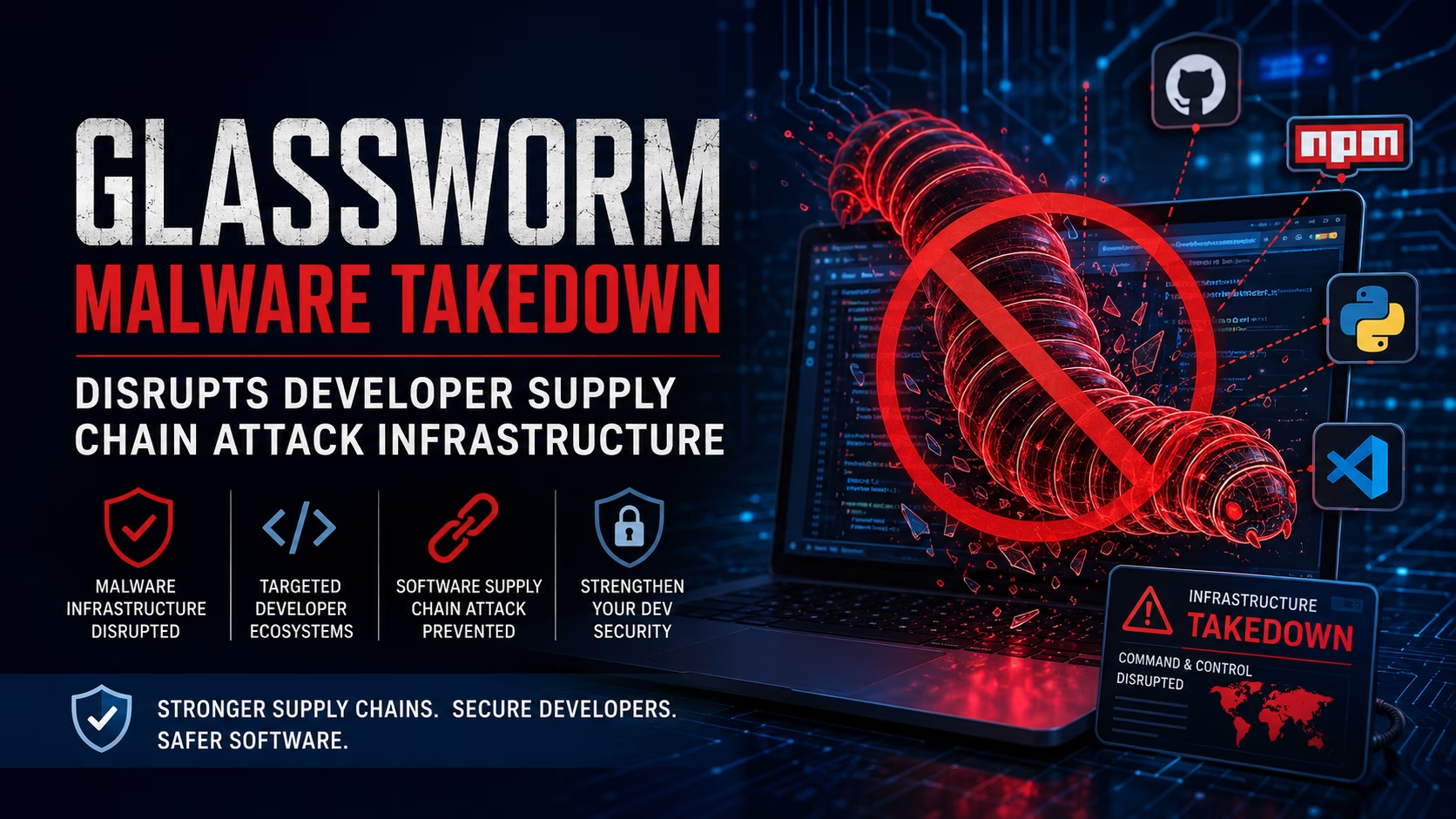
The recent disruption of the GlassWorm malware infrastructure represents one of the most significant cybersecurity operations of 2026. A coordinated effort involving CrowdStrike, Google, and the Shadowserver Foundation successfully dismantled the command-and-control infrastructure used by the GlassWorm threat campaign, which had been actively targeting software developers and open-source ecosystems since early 2025.
The operation highlights a growing reality in modern cybersecurity: attackers are increasingly targeting developers rather than end users. By compromising developer environments, threat actors can infiltrate software supply chains, distribute malicious code through trusted repositories, and impact thousands of downstream organizations with a single successful intrusion.
What Is GlassWorm?
GlassWorm is a sophisticated malware campaign designed to infiltrate developer environments through malicious software packages, compromised extensions, and poisoned code repositories. Security researchers observed the threat spreading through multiple channels, including:
- Malicious npm packages
- Trojanized Visual Studio Code extensions
- Compromised Python packages
- Infected GitHub repositories
- Open VSX marketplace extensions
Once installed, GlassWorm harvested credentials, authentication tokens, source code assets, and sensitive developer information. The malware also enabled attackers to establish persistent remote access and expand their reach across development ecosystems.
How the Attack Worked
Unlike traditional malware campaigns that focus on individual victims, GlassWorm targeted the software development lifecycle itself.
Attackers leveraged compromised developer accounts, malicious package updates, and infected extensions to gain access to:
- Source code repositories
- CI/CD pipelines
- Cloud development environments
- Package registries
- Developer credentials
Researchers estimate that more than 300 GitHub repositories were poisoned during the campaign, potentially exposing countless downstream applications and services to compromise.
The attack demonstrates how software supply chain threats continue to evolve. Instead of attacking organizations directly, adversaries focus on trusted components that organizations rely on every day.
Why Software Supply Chain Attacks Are Increasing
Modern enterprises depend heavily on open-source software and third-party packages. Developers routinely install dependencies from repositories such as npm, PyPI, GitHub, and VS Code marketplaces.
This trust-based ecosystem creates opportunities for attackers to:
- Inject malicious code into legitimate projects
- Compromise developer credentials
- Hijack software updates
- Steal intellectual property
- Distribute malware through trusted channels
Security researchers have repeatedly warned that software supply chain attacks are becoming one of the most effective methods for large-scale compromise because a single infected dependency can affect thousands of organizations simultaneously.
The Importance of the GlassWorm Takedown
The takedown successfully disrupted all known command-and-control channels associated with GlassWorm, significantly reducing the threat actor’s ability to manage infected systems and distribute additional payloads.
However, cybersecurity experts caution that infrastructure disruption is only one part of the solution. Threat actors often rebuild their infrastructure and adapt their tactics after major takedown operations.
Organizations should view this event as an opportunity to strengthen their software supply chain security programs rather than assuming the threat has disappeared.
Best Practices to Protect Developer Environments
To reduce exposure to supply chain threats like GlassWorm, organizations should:
Implement Strong Identity Controls
Require multi-factor authentication (MFA) for all developer accounts, code repositories, package registries, and cloud platforms.
Verify Third-Party Dependencies
Use software composition analysis (SCA) tools to monitor and validate open-source components before deployment.
Monitor Repository Activity
Continuously review commits, pull requests, package updates, and extension installations for suspicious behavior.
Secure CI/CD Pipelines
Apply least-privilege access controls and isolate build environments from production systems.
Conduct Continuous Threat Hunting
Monitor for credential theft, unauthorized package modifications, and indicators of compromise across development infrastructure.
Train Development Teams
Developers remain a primary target for modern attackers. Security awareness training can significantly reduce successful compromise attempts.
Looking Ahead
The GlassWorm operation serves as a reminder that software developers have become a critical frontline in cybersecurity defense. As organizations continue embracing open-source technologies, cloud-native development, and AI-assisted coding, securing the software supply chain will remain a top priority.
The successful disruption of GlassWorm demonstrates the effectiveness of industry collaboration, but it also reinforces the need for continuous vigilance. Organizations that proactively secure developer environments, validate software dependencies, and monitor supply chain risks will be best positioned to defend against the next generation of cyber threats.
Conclusion
The dismantling of the GlassWorm malware infrastructure is a significant victory for the cybersecurity community. Yet the broader lesson is clear: software supply chain attacks are becoming more sophisticated, more targeted, and more impactful. Protecting developers, development tools, and software distribution channels must become a core component of every organization’s cybersecurity strategy.
Businesses that invest in supply chain security today will be better equipped to withstand tomorrow’s evolving threat landscape.