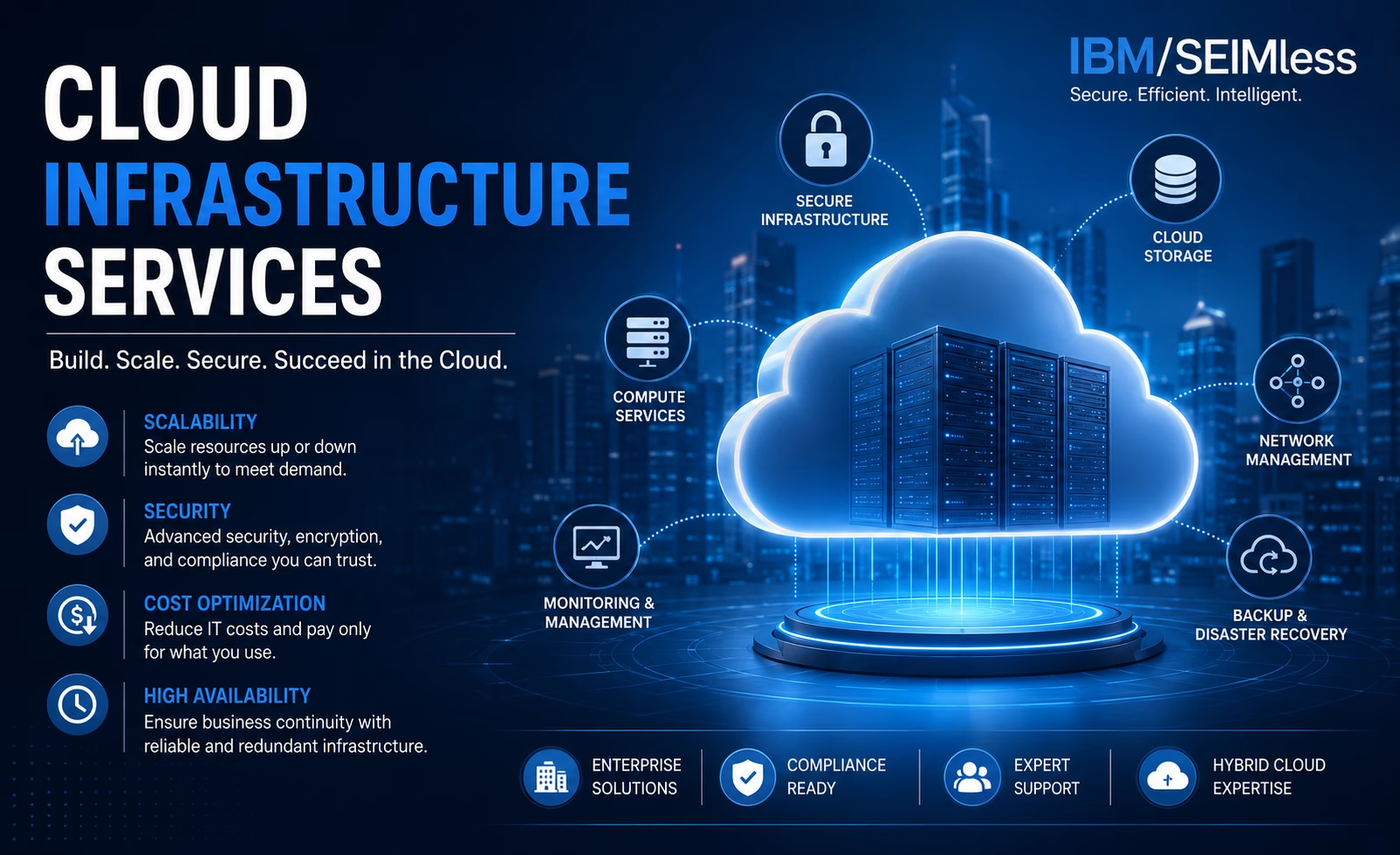
The modern business landscape is driven by speed, innovation, and digital transformation. Organizations that continue relying on traditional on-premises infrastructure often face challenges related to scalability, security, operational costs, and disaster recovery. This is why Cloud Infrastructure Services have become one of the most valuable investments for businesses of every size.
At ibm/SEIMless, we help organizations modernize their IT environment with enterprise-grade cloud infrastructure solutions that improve operational efficiency, reduce costs, strengthen cybersecurity, and enable long-term business growth.
Whether you’re migrating from legacy systems, building a hybrid cloud, or optimizing existing cloud resources, our cloud experts deliver secure and scalable infrastructure tailored to your business objectives.
What Are Cloud Infrastructure Services?
Cloud Infrastructure Services provide businesses with computing resources over the internet instead of maintaining expensive physical servers and networking equipment.
These services typically include:
- Virtual Servers
- Cloud Storage
- Networking
- Virtual Machines
- Backup & Disaster Recovery
- Database Hosting
- Security Services
- Identity Management
- Monitoring
- Load Balancing
Instead of investing heavily in hardware, organizations pay only for the cloud resources they actually use.
Why Businesses Are Moving to the Cloud
Digital transformation has accelerated across every industry.
Organizations now require:
- Remote workforce support
- High application availability
- Strong cybersecurity
- Faster deployment
- Global accessibility
- Reduced infrastructure costs
- Better disaster recovery
Cloud Infrastructure Services make all of these goals achievable while providing unmatched flexibility.
Benefits of Cloud Infrastructure Services
1. Scalability
Businesses can instantly increase or decrease computing resources depending on workload demands.
Instead of purchasing new servers, cloud infrastructure expands automatically.
2. Cost Savings
Cloud infrastructure eliminates major capital investments including:
- Server hardware
- Network equipment
- Data center maintenance
- Cooling systems
- Power consumption
Businesses move from large upfront expenses to predictable operational costs.
3. Better Security
Enterprise cloud providers offer:
- Multi-factor authentication
- Encryption
- Security monitoring
- Identity management
- Compliance controls
- Continuous vulnerability assessments
Combined with ibm/SEIMless managed security services, organizations gain enterprise-level protection.
4. Business Continuity
Unexpected outages can cost thousands—or even millions—in lost productivity.
Cloud Infrastructure Services include:
- Automated backups
- Disaster recovery
- Geo-redundancy
- High availability
- Rapid failover
This ensures your business remains operational even during unexpected events.
5. Improved Performance
Modern cloud environments provide:
- High-speed storage
- Load balancing
- Global content delivery
- Low latency
- Optimized networking
Applications perform faster while users enjoy a better experience.
Types of Cloud Infrastructure
Public Cloud
Ideal for businesses seeking flexibility and lower infrastructure costs.
Examples include:
Private Cloud
Provides dedicated infrastructure for organizations requiring greater security, compliance, or regulatory control.
Perfect for:
- Financial institutions
- Healthcare providers
- Government agencies
Hybrid Cloud
Hybrid cloud combines both public and private environments.
Benefits include:
- Better flexibility
- Increased security
- Easier workload management
- Cost optimization
Many enterprises now consider Hybrid Cloud Infrastructure the preferred deployment model.
Cloud Infrastructure Services Offered by ibm/SEIMless
We provide complete cloud lifecycle management.
Our services include:
Cloud Consulting
We evaluate your current infrastructure and recommend the most effective cloud strategy.
Cloud Migration
Move applications, databases, and workloads with minimal downtime.
Infrastructure Design
Architect secure and scalable cloud environments tailored to your business.
Cloud Monitoring
24/7 monitoring detects issues before they impact operations.
Backup & Disaster Recovery
Protect business-critical information with automated backup and recovery solutions.
Cloud Security
Our security experts implement:
- Identity Management
- Endpoint Protection
- Firewall Management
- Threat Detection
- Vulnerability Assessments
- Compliance Monitoring
Cost Optimization
Reduce unnecessary cloud spending through resource optimization and intelligent scaling.
Industries We Support
Our Cloud Infrastructure Services are trusted across numerous industries including:
- Healthcare
- Financial Services
- Government
- Manufacturing
- Retail
- Education
- Technology
- Professional Services
- Legal
- Real Estate
Cloud Migration Made Simple
Many organizations delay cloud adoption because they fear downtime or data loss.
At ibm/SEIMless, our migration methodology minimizes risk through:
- Infrastructure Assessment
- Cloud Readiness Planning
- Security Evaluation
- Pilot Deployment
- Controlled Migration
- Validation Testing
- Performance Optimization
- Ongoing Support
Our experienced engineers ensure every migration is secure, efficient, and aligned with business goals.
Cloud Security Is No Longer Optional
Cyber threats continue evolving.
Modern cloud environments require:
- Identity Access Management
- Zero Trust Architecture
- Multi-Factor Authentication
- Continuous Monitoring
- Endpoint Protection
- Threat Intelligence
- Security Information and Event Management (SIEM)
Security is integrated into every cloud solution we deploy.
Why Choose ibm/SEIMless?
Organizations choose ibm/SEIMless because we deliver more than cloud hosting—we provide strategic cloud transformation.
Our advantages include:
- Enterprise Cloud Expertise
- Security-First Architecture
- Certified Cloud Engineers
- Hybrid Cloud Solutions
- Microsoft Azure Expertise
- Cloud Optimization
- Disaster Recovery Planning
- Continuous Monitoring
- 24/7 Technical Support
- Scalable Infrastructure
Future Trends in Cloud Infrastructure
Cloud technology continues evolving rapidly.
Emerging trends include:
- Artificial Intelligence Integration
- Multi-Cloud Management
- Edge Computing
- Serverless Architecture
- Quantum-Resistant Security
- Infrastructure Automation
- Cloud-native Applications
- Intelligent Monitoring
- Predictive Analytics
Businesses investing today position themselves for tomorrow’s digital economy.
Final Thoughts
Cloud Infrastructure Services have become the backbone of modern business operations. They deliver the flexibility, resilience, scalability, and security organizations need to compete in an increasingly digital world.
Whether you’re modernizing legacy systems, expanding globally, or improving cybersecurity, the right cloud strategy can transform your business.
At ibm/SEIMless, we design, deploy, and manage secure cloud environments that help organizations innovate faster, reduce costs, and stay resilient in a constantly evolving technology landscape.
Ready to modernize your IT infrastructure? Contact ibm/SEIMless today to build a secure, scalable, and future-ready cloud environment tailored to your business needs.
Frequently Asked Questions
What are Cloud Infrastructure Services?
Cloud Infrastructure Services provide virtual servers, storage, networking, security, and computing resources over the internet, eliminating the need for on-premises hardware.
Is cloud infrastructure secure?
Yes. When properly configured with encryption, identity management, monitoring, and compliance controls, cloud infrastructure is highly secure.
What is the difference between public and hybrid cloud?
A public cloud shares infrastructure among customers, while a hybrid cloud combines public and private environments for greater flexibility and security.
Can ibm/SEIMless migrate existing servers to the cloud?
Yes. We provide end-to-end cloud migration services with minimal downtime and comprehensive planning.
Which businesses benefit from cloud infrastructure?
Organizations of all sizes—including healthcare, finance, retail, manufacturing, education, legal, and government—benefit from cloud infrastructure.