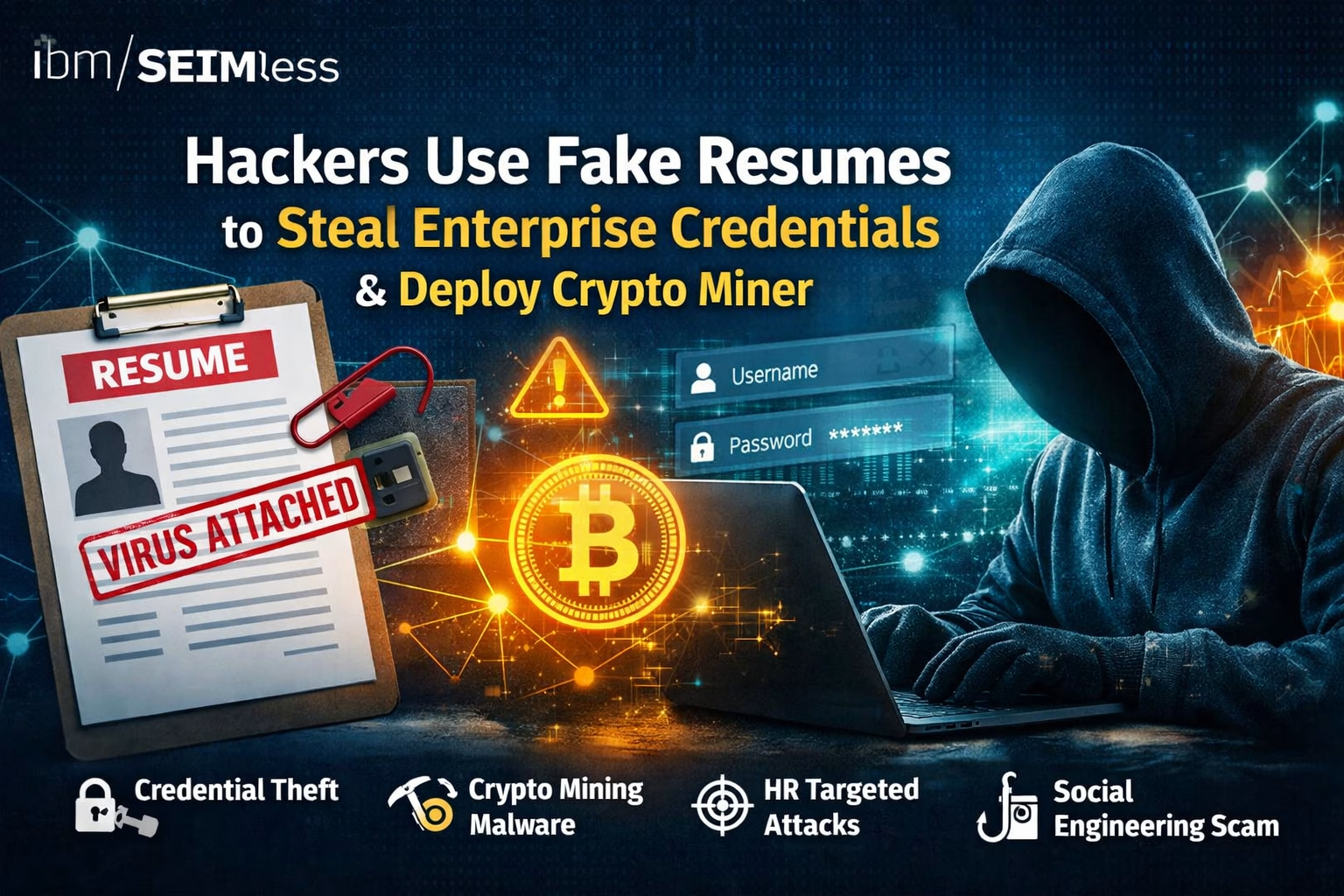
Cybercriminals are evolving their tactics—leveraging fake job applications and resumes as a social engineering vector to infiltrate enterprise environments. This emerging threat targets HR departments and recruiters, turning routine hiring workflows into high-risk attack surfaces.
At ibm/SEIMless, we are actively tracking this campaign, where attackers disguise malicious payloads inside seemingly legitimate resume files to gain initial access and deploy cryptocurrency mining malware (cryptominers) within enterprise systems.
How the Attack Works
Attackers execute a multi-stage intrusion strategy:
- Step 1: Weaponized Resume Submission
Malicious actors submit resumes embedded with harmful macros, scripts, or links. - Step 2: Social Engineering Execution
HR personnel unknowingly open attachments, triggering malware execution. - Step 3: Credential Harvesting
Malware captures login credentials, browser sessions, or Active Directory tokens. - Step 4: Crypto Miner Deployment
Attackers deploy cryptomining software, consuming system resources and degrading performance.
Why This Attack is Dangerous
- Exploits trusted HR workflows
- Bypasses traditional perimeter security
- Enables persistent access and lateral movement
- Results in financial losses due to resource hijacking
- Often goes undetected for extended periods
Recommended Security Measures
To mitigate this threat, organizations should implement:
- Zero Trust Architecture for file access
- Advanced email and attachment sandboxing
- Endpoint Detection & Response (EDR) solutions
- Strict macro and script execution policies
- Continuous employee awareness training
🔹 Protect your enterprise from next-generation social engineering threats.
🔹 Partner with ibm/SEIMless for advanced cybersecurity solutions and threat intelligence.
🔹 Secure your infrastructure before attackers exploit your weakest entry points.
👉 Visit: https://www.seimless.com
👉 Request a security assessment today
👉 Stay ahead of evolving cyber threats with ibm/SEIMless